Retail During Ramadan: Changing Consumer Behavior and Sales Opportunities
How retailers can prepare for one of the most strategic seasonal periods of the year
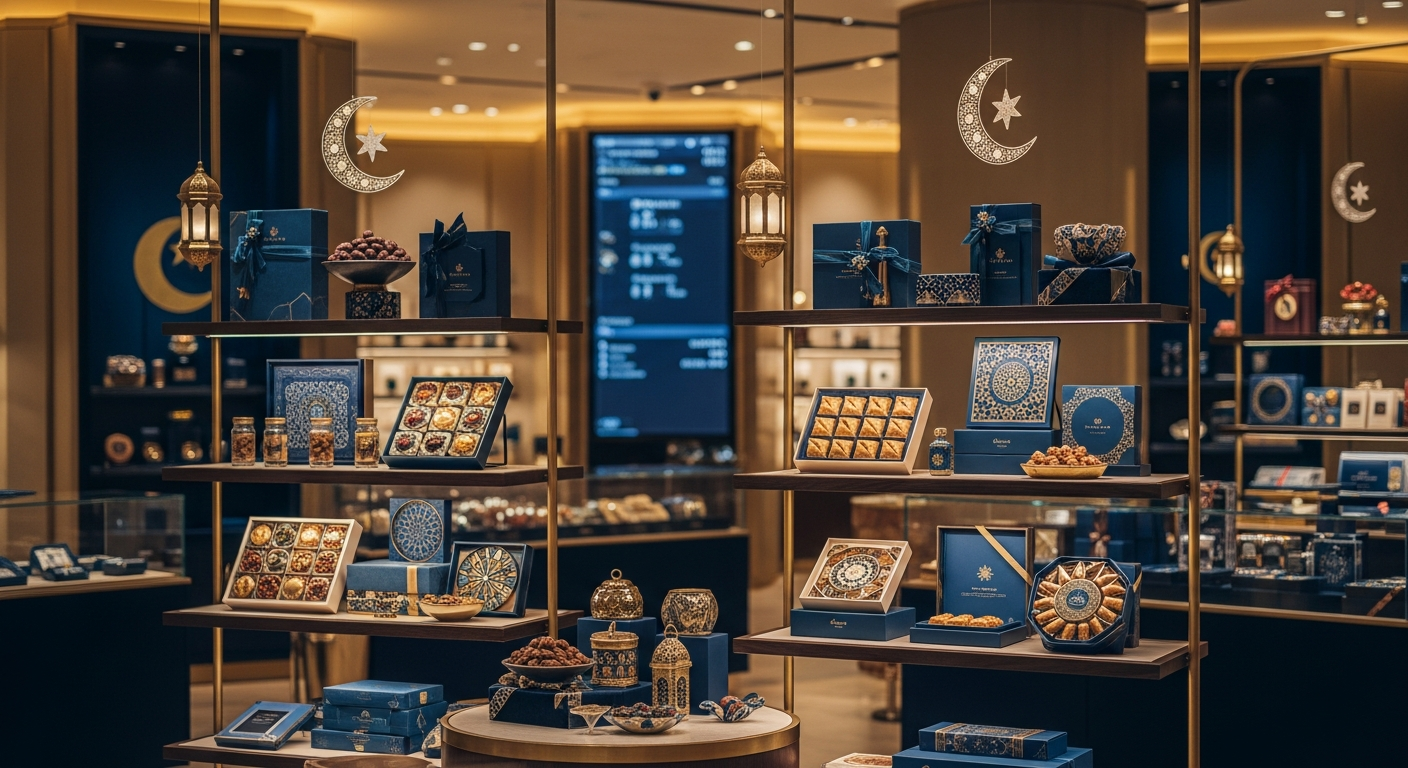
Ramadan has arrived. For the retail sector, Ramadan is not just a date on the calendar; it is a powerful seasonal period during which consumption habits, shopping hours, and basket composition change significantly. For companies that read this period correctly, Ramadan represents one of the most strategic opportunities of the year in terms of both revenue growth and customer loyalty.
Shifts in Consumer Behavior
During Ramadan, purchasing decisions become more planned, yet also more emotionally driven.
- Households tend to shop in bulk and more systematically, especially for essential food and fast-moving consumer goods.
- More budget is allocated to products consumed by the whole family.
- Due to the culture of hosting guests and sharing meals, average basket size increases.
- Shopping activity shifts toward evening hours.
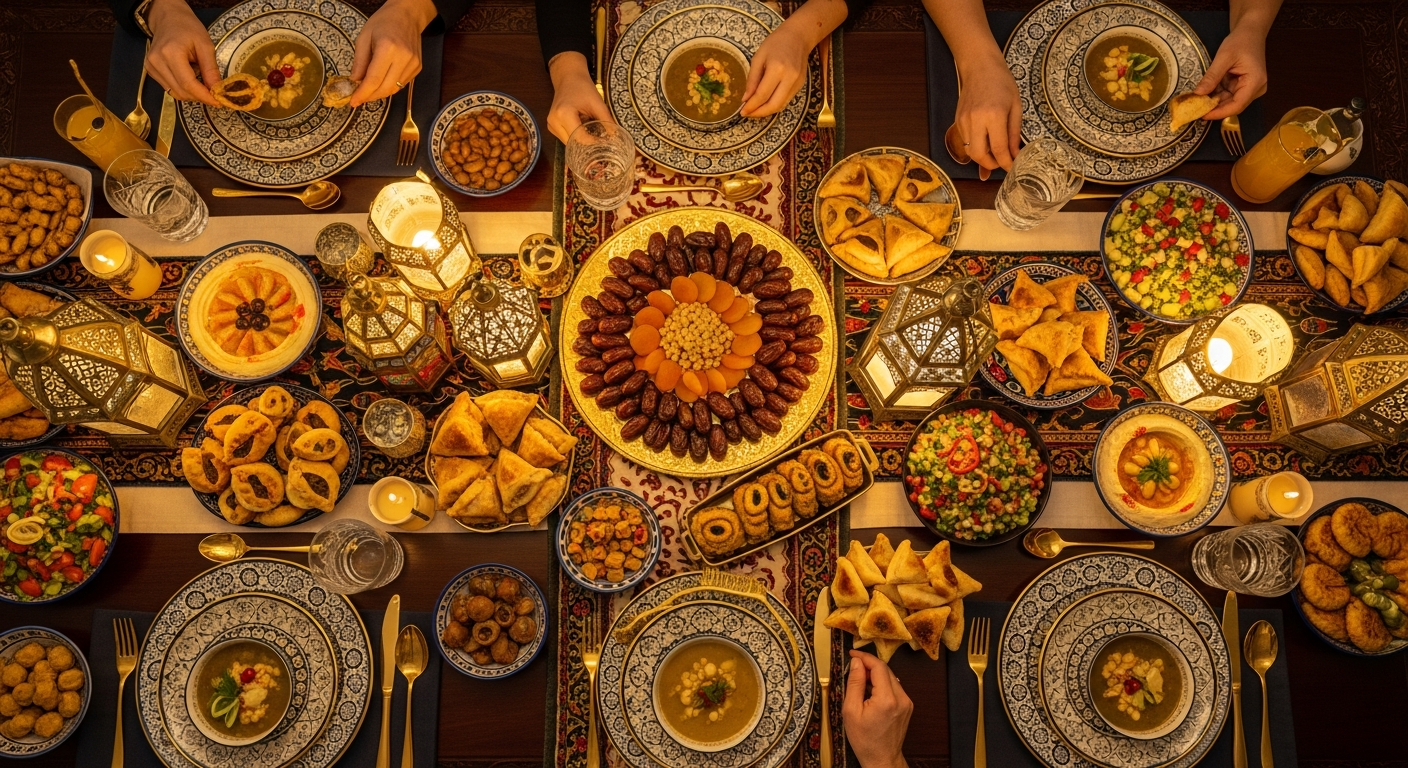
During this period, shopping is not just about meeting basic needs; it is about setting the table, hosting guests, and enriching the time spent together.
Category-Based Demand Increases
Demand growth during Ramadan is not evenly distributed across categories. Certain product groups stand out:
Food & Fast-Moving Consumer Goods
- Dates, olives, and soup ingredients
- Meat and delicatessen products
- Desserts, pastries, and snacks
- Beverages that accompany iftar meals
Tableware & Home Products
- Large serving items
- Products related to table presentation and dining setup
- Small kitchen appliances
Fashion & Personal Products
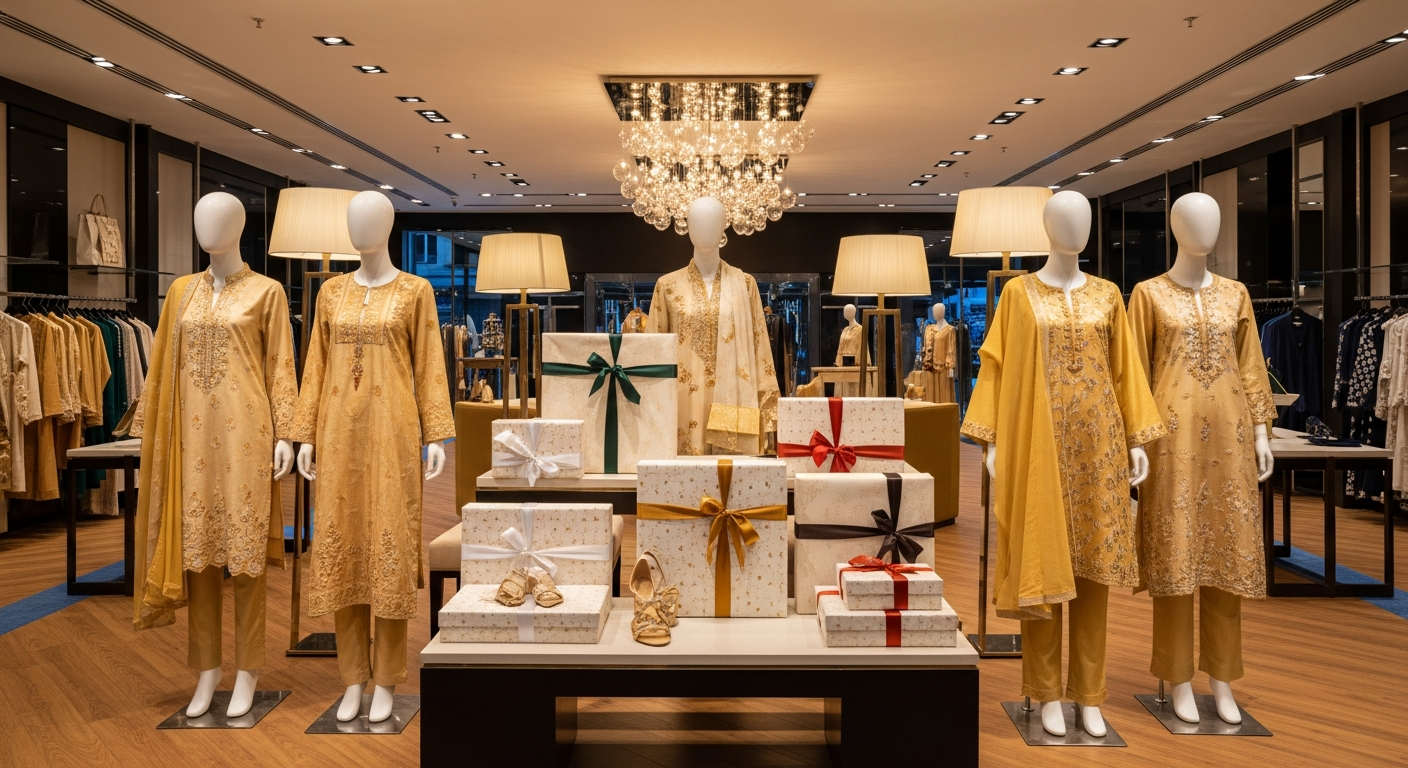
- Pre-Eid clothing shopping
- Children's apparel
- Personal care and cosmetic products purchased as gifts
The last week of Ramadan and the period leading up to Eid create a peak especially in gift and apparel categories.
Changing Shopping Hours During Ramadan
Daily routines shift due to fasting, and this directly impacts store traffic patterns:
- In-store traffic during the daytime may decline.
- Footfall increases after iftar and during late evening hours.
- Online orders peak in the evening.
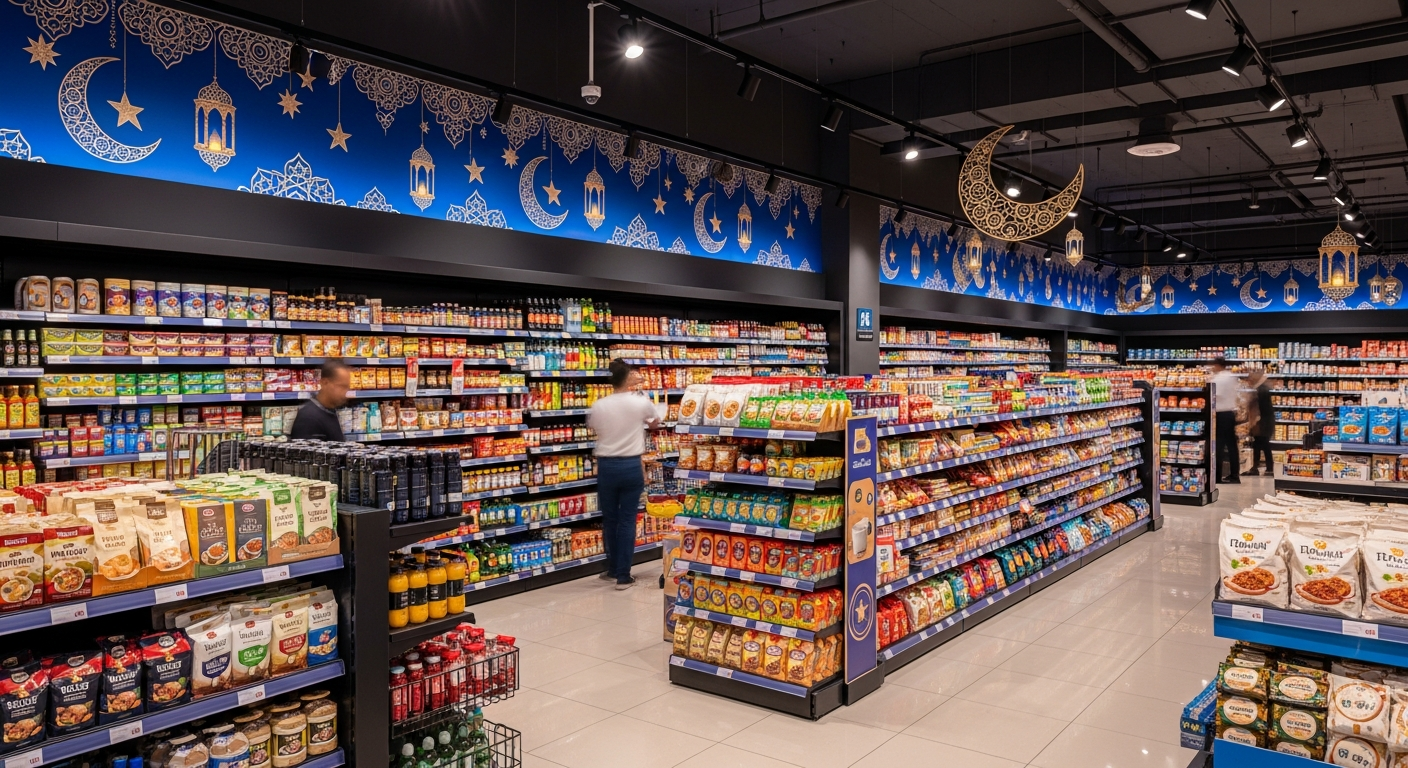
This shift affects many operational decisions, from staff scheduling and checkout capacity to delivery operations and stock replenishment.
Why Inventory and Operations Management Become Critical
During Ramadan, demand:
- Rises much more rapidly
- Becomes concentrated in specific categories
- May vary significantly by region
As a result, key risks for retailers include:
- Out-of-stock situations in fast-selling products
- Excess stock in slower-moving items
- Sending the wrong products to the wrong stores
Demand forecasting and store-level inventory optimization directly impact sales performance in this period. Especially for products related to iftar meals, empty shelves lead not only to lost sales but also to customer dissatisfaction.

Marketing and Campaign Dynamics
Since emotional connection is stronger during Ramadan, communication strategies work differently than in typical discount-driven periods.
Effective approaches include:
- Campaigns built around the theme of "setting the table"
- Messages emphasizing family, sharing, and abundance
- Bundle offers and multi-buy promotions
- Digitally timed campaigns aligned with iftar hours
Loyalty programs also become more actively used, as shopping frequency increases during this period.
E-Commerce and Last-Minute Shopping
In the final days of Ramadan and during the Eid week:
- Expectations for fast delivery increase
- Gift items and apparel shopping shift more toward online channels
- Last-minute purchases reach their peak
At this stage, stock accuracy and delivery capacity play a decisive role in customer experience.
The Advantage of Data-Driven Preparation
Retailers who analyze data from previous Ramadan seasons can better anticipate:
- Which products peak and when
- Which stores run out of stock faster
- Common product combinations within shopping baskets
This enables them to manage the season proactively rather than reactively.
Ramadan is not only a period of increased sales for retailers; it is a unique season in which consumer shopping motivations change. With the right stock, the right timing, and the right message, this period can bring:
- ✔️ Higher sales
- ✔️ Stronger customer loyalty
- ✔️ More efficient inventory management
For well-prepared retailers, Ramadan brings abundance not only to tables, but also to sales performance.